Today’s fast-changing business environments demand leaders who inspire collaboration, encourage accountability, and drive progress.
The challenge lies in creating the right balance between guiding teams and fostering individual development. How can leaders achieve this balance while ensuring their teams thrive?
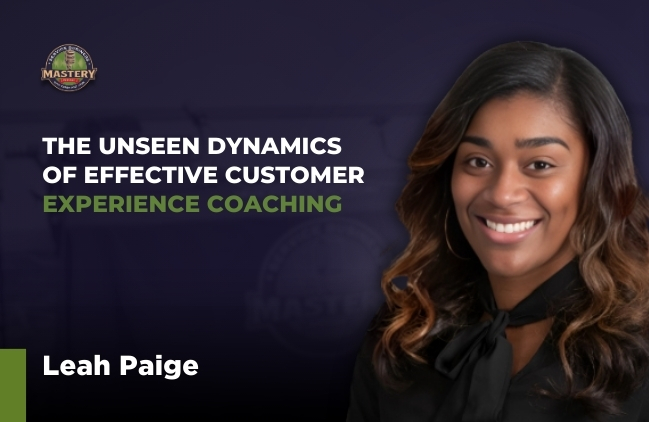
Leah Paige, a skilled Customer Success Manager at Delta Global Staffing, and Real Estate Professional, has firsthand experience addressing these challenges. With expertise in process improvement, she has increased customer satisfaction by 105%, led 40+ major projects, and trained over 600 agents yearly.
Leah’s focus on collaboration and creating impactful solutions makes her insights valuable for anyone looking to improve leadership and team performance.
In this article, we will explore key strategies for leadership and growth based on Leah’s expertise. We will cover how trust, curiosity, and coaching help leaders build strong relationships and guide teams effectively.
Moreover, we’ll also learn how personal presentation boosts confidence and professionalism. With these strategies, leaders can create supportive environments that empower their teams to grow, take ownership, and achieve their goals.
Our Sponsors:



Our Affiliates:




How Peachtree City Combines Unique Transportation and Smart Planning
Peachtree City, Georgia, offers a lifestyle focused on convenience and community. Its unique approach to transportation and thoughtful city planning makes it a standout.
In Peachtree City, golf carts are more than vehicles for leisure they’re part of daily life. Residents use them to travel around town, creating a culture centered on this unique form of transportation.
- Custom Features: Many golf carts include upgrades like air conditioning, heating, and stylish designs.
- Accessible for All Ages: Teens can drive golf carts at 13 with a special license.
- Integrated into the Community: Golf carts have dedicated paths, garages, and even school drop-off lanes.
- Event-Friendly: Community events, like July 4th fireworks, prioritize golf cart parking over traditional vehicles.
This lifestyle fosters a sense of connection and convenience for residents of all ages.
Thoughtful Zoning and Urban Design
Peachtree City’s design reflects careful planning. It separates commercial, industrial, and residential areas to maintain a clean and quiet environment.
- Zoning Rules: Businesses remain hidden from residential neighborhoods, preserving the area’s calm atmosphere.
- Low-Profile Signs: Signs cannot exceed six feet, ensuring a uniform, unobtrusive look.
- Distinct Identity: These rules create a peaceful and visually appealing cityscape.
A Model for Other Cities
Peachtree City’s mix of creative transportation and smart zoning offers valuable lessons. It shows how thoughtful planning can create a vibrant, well-organized community. This blend of functionality and charm makes Peachtree City a unique and desirable place to live.
How Appearance and Presentation Impact Leadership and Growth
Your appearance shows professionalism and respect for your role. It’s not just about looking good; it’s about how you present yourself to others.
In professional environments, a polished look can open doors and build trust, especially in roles where first impressions matter.
Dressing well also impacts your mindset. Even at home, wearing professional attire helps you focus and stay productive. Small efforts to improve your appearance can lead to better performance and higher self-esteem.
Building a Routine and Personal Style
A consistent dressing routine simplifies daily choices and supports a professional image. Adding a personal touch to your wardrobe makes you stand out while staying work-appropriate.
Here’s how you can create balance:
- Choose Versatile Basics: Invest in simple yet professional staples like tailored blazers or comfortable business-casual outfits.
- Add Personal Touches: Accessories like a signature tie, watch, or glasses can reflect your unique style.
- Stay Professional at Home: Dressing appropriately while working remotely signals you’re ready to work and sets a productive tone.
Using Clothing to Boost Confidence
The “Alter Ego Effect” highlights how specific clothing items can help you feel more confident. For example, wearing a blazer can make you feel prepared for meetings.
Moreover, wearing your favorite shoes can create a sense of readiness and authority. These small adjustments can have a big impact on your mindset and performance.
The Long-Term Benefits of Dressing for Leadership and Growth
Dressing professionally isn’t just about appearances. It builds confidence, helps you stay focused, and creates lasting impressions. A thoughtful approach to your wardrobe shows that you value yourself, your work, and the people you interact with daily.
How Coaching Encourages Accountability and Leadership Growth
Coaches play a key role in teaching accountability. Instead of offering ready-made solutions, they encourage individuals to own their challenges. By asking simple questions like, “Whose problem is this?” coaches help clarify responsibilities.
When people take ownership, they are more likely to approach problems proactively. This helps solve immediate issues and builds decision-making confidence over time.
Learning Through Failure
Failure is a natural part of growth. Effective coaches create a safe space where people feel comfortable making mistakes and learning from them.
- Encouraging Effort: Mistakes show effort and willingness to improve.
- Modeling Openness: Coaches who admit their own mistakes set an example for others to embrace learning.
- Building Confidence: Experiencing and overcoming challenges helps people build resilience and problem-solving skills.
Developing Skills for Leadership and Growth
Coaching goes beyond problem-solving. It focuses on developing individuals into leaders who think critically and act independently. Coaches guide their teams by encouraging reflection and supporting them through challenges rather than giving direct answers.
For example, instead of solving problems for team members, a coach might say, “Bring your list of solutions, and we’ll decide together.” This teaches accountability while fostering confidence in decision-making.
Why Effort Matters More Than Talent
Leadership is about consistent effort and structured growth, not just natural talent. Great coaches rely on systems, accountability, and resilience to lead by example. This inspires respect and motivates others to strive for improvement.
By fostering accountability, embracing failure, and encouraging effort, coaching transforms individuals into capable, self-reliant leaders ready to confidently take on challenges.
Building Trust and Encouraging Curiosity for Leadership and Growth
Leadership thrives on trust, curiosity, and collaboration. These qualities strengthen teams, improve problem-solving, and lead to long-term success.
Trust Is the Foundation of Leadership and Growth
Strong leaders build trust by relying on their team’s skills and expertise. They admit when they don’t know something and use it as an opportunity to learn. This creates a culture where team members feel valued and empowered.
For example:
- When leaders face challenges, they involve the team in finding solutions.
- Asking questions like, “What went wrong, and how can we fix it?” shifts the focus from blame to improvement.
This approach fosters collaboration and encourages team members to take ownership of their work.
The Power of Curiosity in Leadership and Growth
Curiosity helps leaders grow and strengthens their connection with the team. By asking questions with a beginner’s mindset, leaders gain fresh knowledge and improve their understanding of challenges.
Curiosity offers several benefits:
- Leaders learn from their team’s expertise.
- It encourages open communication and innovation.
- Teams feel more supported when leaders show genuine interest in their work.
For instance, a curious leader learns the details of technical tasks, allowing them to connect with team members and provide better guidance.
Creating a Sense of Togetherness
Successful leaders inspire teamwork by focusing on shared goals. Instead of assigning blame or isolating tasks, they use inclusive language like “we” and “our.”
This builds trust and motivates teams to work toward common objectives. It also creates an environment where challenges are seen as opportunities to grow together.
Leadership Through Coaching and Support
Leadership is not just about solving problems. It’s about guiding people to think critically, take responsibility, and develop skills. A strong coach is an ally who builds confidence, supports growth, and celebrates success.
Conclusion
Leadership and growth depend on trust, collaboration, and a focus on improvement. Strong leaders build these qualities by fostering accountability, encouraging curiosity, and supporting their teams.
They inspire teamwork by setting shared goals and creating an environment where everyone feels valued. Coaching is also essential for leadership and growth.
It guides individuals to take responsibility, learn from mistakes, and develop decision-making skills. Leaders who coach effectively help others grow into confident, capable team members.
Presentation also plays a role in leadership. Dressing professionally boosts confidence and helps leaders make positive impressions. Small changes, like consistent style, can strengthen focus and productivity.
Leaders create teams that thrive by combining trust, curiosity, coaching, and professional presentation. These elements build a foundation for long-term success and continuous growth.
FAQs
How does communication style impact leadership and growth?
Clear communication builds trust and reduces misunderstandings. It ensures that team members feel heard and valued, improving collaboration.
Why is emotional intelligence important for leadership and growth?
Emotional intelligence helps leaders understand their team’s needs, manage conflicts, and build stronger connections, fostering growth.
How can leaders balance authority and approachability?
Leaders can balance authority by being firm yet empathetic. This creates a productive and respectful environment for growth.
What role does feedback play in leadership and growth?
Constructive feedback helps individuals identify strengths and areas for improvement, driving personal and professional development.
How can leaders encourage innovation within their teams?
By fostering curiosity and supporting new ideas, leaders create an environment where innovation thrives, enhancing growth opportunities.
What is the role of accountability in leadership and growth?
Accountability ensures team members take ownership of their actions, building trust and improving leadership effectiveness.
Resources And People Mentioned:
Join the Service Business Mastery Facebook Group for more updates!
This Episode is Kindly Sponsored By:
- Sera (visit their website)
- UpFrog (visit their website)
- CallRail (visit their website)
- CompanyCam (visit their website) Visit CompanyCam and use code SBM for a free 2-week trial, 1:1 training and account setup, and 50% off your first two months!
- MarketStorm (visit their website)
- Lace (visit their website)
- priceguide (visit their website)
Affiliate Links:
- Castmagic (visit their website)
- StreamYard (visit their website)
- IfTTT- 10 Percent off! (visit their website)
- ZyraTalk (Visit their website)