In today’s world, many home service businesses struggle with managing phone calls, especially during busy seasons. Missed calls can lead to lost customers and missed opportunities. Traditional answering services often fail to meet expectations, making the problem worse.
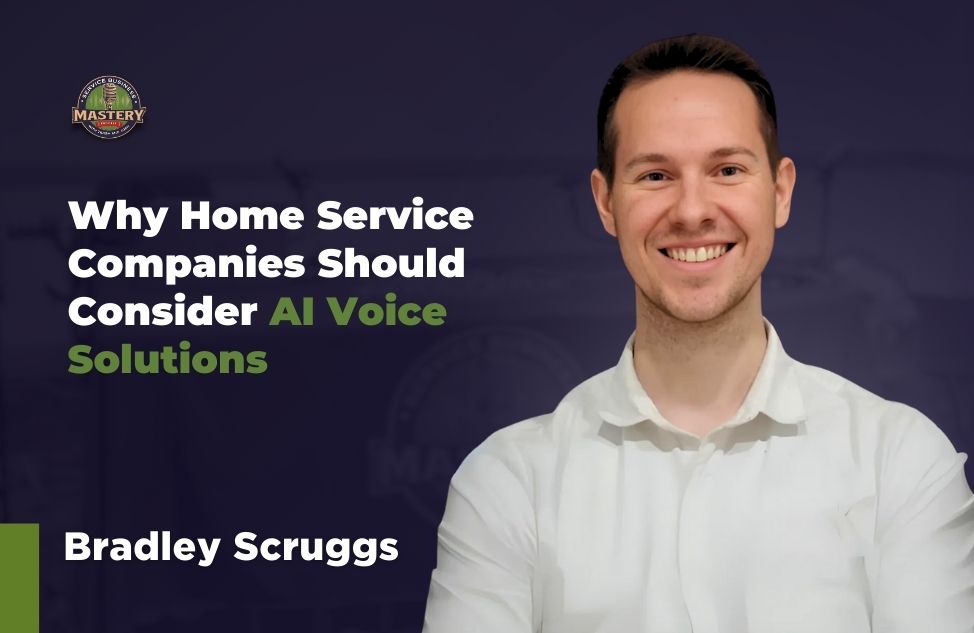
Bradley Scruggs, Chief Marketing Officer and Co-founder of ZyraTalk, offers a solution. ZyraTalk is a company that helps businesses improve customer service through AI voice solutions. With over 3,000 clients and growing, ZyraTalk has become a leader in helping businesses handle customer calls efficiently.
In this article, we’ll look at how AI voice solutions improve call management for home service companies. We’ll cover the key benefits, like better call handling, cost savings, and improved customer satisfaction.
Moreover, we’ll also discuss the future of AI in outbound calling, the legal issues involved, and how businesses can use AI to provide a better experience for their customers.
Our Sponsors:





Our Affiliates:




How AI Voice Solutions Can Improve Call Management in Home Services
Many home service businesses struggle with missed phone calls, especially during high-demand seasons like summer. Traditional answering services often fail to meet expectations.
They might mispronounce business names, give incorrect information, or take too long to respond due to high call volumes. These issues often result in lost leads and poor customer experiences.
AI-powered voice assistants offer an effective solution to these problems. By automating call handling, businesses can ensure they never miss a customer call, regardless of the time or volume of inquiries.
These AI agents can answer common questions, schedule appointments, and even handle customer issues, significantly reducing the workload for human staff.
Key Benefits of AI Voice Solutions in Call Management
Here are the key benefits of AI voice agents for home service companies:
1. Improved Call Handling:
AI voice assistants can manage after-hours or high-volume calls, preventing customers from being stuck on hold or receiving poor service from overworked agents.
2. Customizable Conversations:
The AI tailors itself to each business. During onboarding, companies provide key details such as service offerings, pricing, and handling of angry customers. This allows the AI to engage in personalized and accurate conversations with callers.
3. Consistency:
Unlike human agents who might make mistakes, AI agents provide consistent and reliable responses. Whether pronouncing the business name correctly or quoting accurate dispatch fees, AI voice assistants maintain high professionalism.
4. Customer Satisfaction:
By answering more calls promptly, businesses reduce the chances of losing potential clients. The AI can handle various requests, from booking appointments to answering frequently asked questions, ensuring a smooth customer experience.
5. Flexibility:
AI agents follow specific guidelines set by each business but can adapt and improve over time. Businesses can request further training to refine the AI’s performance if an error occurs or a customer reports an issue.
By implementing AI-powered voice assistants, home service businesses can reduce missed calls, improve customer satisfaction, and provide consistent service, even during peak times.
The Future of AI Voice Solutions in Home Service Businesses
Powered by AI, outbound calls offer exciting potential but face several hurdles before becoming mainstream. Regulations are one significant challenge, especially around robocalling and the implied consent to legally contact customers.
To ensure compliance, outbound AI systems must only target individuals who have shown interest, such as submitting a form or scheduling a service. This helps avoid the legal pitfalls associated with cold calling.
Challenges with AI Outbound Calling
- Regulatory Constraints: AI-based outbound calls must comply with strict regulations. Automated calls to cold lists are generally not allowed. The system must ensure there is an implied intent or existing customer relationship to initiate outbound calls legally.
- Spam Detection: When conducting outbound calls, AI systems must maintain the phone number’s reputation to avoid “Spam Likely” flags.” This issue presents a barrier for many businesses adopting AI for outbound calling.
- Personalization: To succeed, outbound AI calls must be trigger-based and personalized. These calls could be tied to specific events like technician dispatch or service request confirmation.
AI Voice Solutions for Inbound vs. Outbound Calls
Currently, most AI applications in the home service industry focus on handling inbound calls, where companies already see significant success.
AI voice agents manage thousands of customer interactions, save time, and ensure round-the-clock call responses. However, outbound calling presents more complexities and potential for regulatory issues.
Looking Ahead
In the future, AI-driven outbound calls could play a larger role in customer communication, especially for follow-ups or automated sales. However, businesses must tread carefully and stay within legal guidelines while protecting their phone number’s reputation.
For now, companies looking to leverage AI in this area must focus on improving customer service through well-timed, trigger-based outbound calls.
As AI technology evolves, outbound calling will likely grow, but businesses must remain informed about legal limitations and adopt best practices to ensure successful integration.
How AI Voice Solutions Handle Complex Customer Queries in Home Service Businesses
AI agents, both for chat and voice, must be trained to handle various customer inquiries. These agents rely on comprehensive training tailored to each business’s specific needs.
The AI system uses frequently asked questions (FAQs) and other relevant data to ensure accurate and effective responses.
While companies may suggest scraping their websites for information, this is unreliable. AI training requires deeper customization to avoid errors and minimize customer support issues.
How AI Voice Solutions Learn and Adapt
- Tailored Training: The AI is customized for each business based on information such as FAQs, services, and company-specific processes. This helps the AI provide accurate answers to common customer inquiries.
- Continuous Improvement: If the AI responds inaccurately, the business can retrain the system based on feedback. This ensures the AI’s accuracy improves and adapts to evolving customer needs.
- Limitations of Website Scraping: Although scraping a website for information might seem convenient, this method is not always reliable. Websites may contain outdated or incorrect data, which could lead to customer dissatisfaction. Manual input guarantees the most accurate and up-to-date information for training.
Addressing Complex Queries
Training an AI agent to handle a wide range of customer questions can seem daunting, especially for businesses with a broad service offering. However, the process is streamlined by focusing on essential FAQs and specific details unique to each company.
While the initial setup might take some time, the long-term benefits include reduced manual customer support and improved response accuracy.
Managing Customer Expectations
When it comes to how AI interacts with customers, businesses can choose whether to disclose the use of AI upfront. Data shows that when the AI introduces itself as an automated assistant, the call abandonment rate can be as high as 25%.
However, when the AI initiates the conversation more naturally, without immediately identifying itself as AI, the abandonment rate drops to around 2–5%. Regardless of the approach, the AI remains transparent at some point during the interaction, ensuring honesty while maintaining customer engagement.
How AI Voice Solutions Can Be a Cost-Effective Alternative to Traditional Answering Services
AI voice solutions offer a flexible and cost-effective alternative to traditional answering services, often charging high per-minute rates. In contrast, AI services typically use a subscription model with minute-based usage, providing significant savings to businesses while ensuring efficient call handling.
Pricing Structure of AI Voice Solutions
AI voice services generally charge a subscription fee plus a per-minute usage rate. This model is significantly cheaper than many traditional answering services, which can charge $2 per minute.
In some cases, businesses can select plans with a certain number of minutes, reducing the overall per-minute cost for higher call volumes. This flexible pricing helps companies manage their costs while ensuring prompt responses to all customer calls.
Cost Efficiency Compared to Answering Services
AI voice solutions offer several financial benefits:
- Lower Cost Per Minute: Traditional answering services may charge $1.50 to $2.25 per minute. AI voice agents, however, offer much lower rates, providing businesses with substantial cost savings.
- Customization Options: Companies can tailor their plans based on call volume and business needs, ensuring they only pay for what they use.
- Increased ROI: By ensuring fewer missed calls and improving customer service, AI voice systems help businesses capture more leads and improve customer satisfaction, leading to a higher return on investment (ROI).
Security and Compliance in AI Voice Solutions
AI voice services must also comply with security and privacy standards. Many providers use HIPAA-compliant servers and secure systems to protect sensitive customer data.
This is crucial for businesses, especially those handling confidential information. AI services do not store customer data on open platforms like OpenAI; they maintain proprietary systems to ensure data security.
Conclusion
In conclusion, AI voice solutions in home service businesses offer significant benefits by improving call handling, reducing costs, and enhancing customer satisfaction. These systems ensure businesses never miss calls, even during peak times, and provide consistent, accurate responses.
By automating inbound calls and gradually addressing the challenges of outbound calling, AI technology helps businesses stay competitive while improving overall efficiency.
Lastly, as AI continues to evolve, home service companies will find even more opportunities to improve operations and deliver better customer experiences.
FAQs
How quickly can AI voice solutions be implemented for a home service business?
You can implement AI voice solutions within a few days after gathering essential company details.
Can AI voice solutions handle bilingual or multilingual customers?
Yes, AI voice solutions can be trained to handle multiple languages based on customer needs.
Can AI voice solutions manage emergency service calls outside business hours?
You can configure AI voice solutions to prioritize and handle emergency service requests during off-hours.
Do AI voice solutions affect a business’s ability to maintain a personal touch with customers?
You can tailor AI voice solutions to match a company’s tone, ensuring they maintain a personal touch.
How do AI voice solutions ensure compliance with industry-specific regulations?
AI voice providers use secure, HIPAA-compliant systems and follow legal data privacy and call handling guidelines.
How scalable are AI voice solutions for growing home service companies?
AI voice solutions are highly scalable and can handle increasing call volumes as a business grows without losing efficiency.
Resources And People Mentioned:
Join the Service Business Mastery Facebook Group for more updates!
This Episode is Kindly Sponsored By:
- Sera (visit their website)
- UpFrog (visit their website)
- CallRail (visit their website)
- CompanyCam (visit their website) Visit CompanyCam and use code SBM for a free 2-week trial, 1:1 training and account setup, and 50% off your first two months!
- MarketStorm (visit their website)
- Lace (visit their website)
- priceguide (visit their website)
Affiliate Links:
- Castmagic (visit their website)
- StreamYard (visit their website)
- IfTTT- 10 Percent off! (visit their website)
- ZyraTalk (Visit their website)