In today’s fast-moving business world, leaders face more pressure than ever. Teams expect clear direction, fast decisions, and support when challenges arise. Many business owners start with energy and ideas, but struggle to lead as their company grows.
Without strong habits and clear systems, things can quickly fall apart. That’s why building structure and discipline matters at every stage of the business journey.
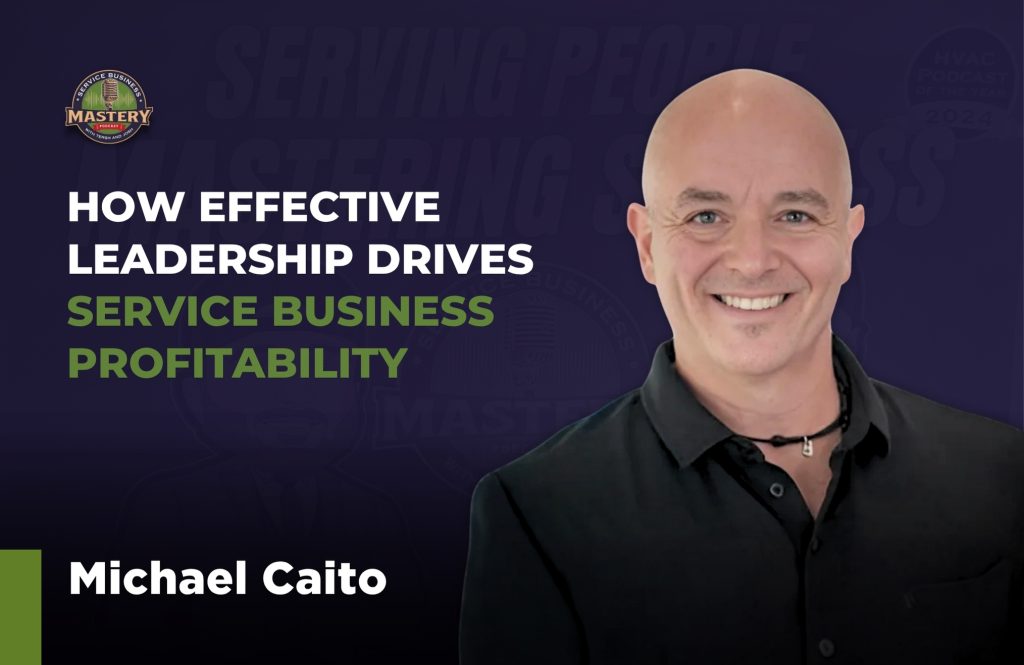
Michael Caito knows this from experience. He co-founded Restaurants on the Run in the 1990s and grew it into a large company with over 500 team members. Along the way, he learned how to lead better using the tools and training from MAP Consulting.
What started as a coaching program soon became a turning point. Michael later bought MAP and now helps other business owners grow with confidence. Also, Caito is an Active Member of YPO and EO.
In this article, you’ll learn how Michael built effective business leadership through simple habits, team structure, and manager training. You’ll see how he led through growth and sales and how you can apply the same steps in your business.
Our Sponsors:



Our Affiliates:




How Michael Caito Achieved Effective Business Leadership
Efficiency, feedback, and structure shaped Michael Caito’s journey from college founder to experienced CEO. His path offers clear lessons for anyone leading a business.
Michael and his partner, Josh, run several businesses. They don’t track hours. Instead, they care about task completion. If someone finishes early, that’s fine. What matters is the result.
But there’s a risk. People often use saved time to take on more work. Michael warns against that. He believes in taking breaks, not just filling time with extra tasks.
What to Do with Your Free Time
Michael suggests two things that always help him reset:
- Stay active – Exercise keeps him sharp. When he feels strong, his focus improves.
- Keep learning – Reading and studying help him stay clear and make better choices.
He builds these habits into his routine. Over time, they fuel each other.
How MAP Consulting Changed Everything
In the mid-1990s, Michael started Restaurants on the Run. It offered food delivery before apps existed. A few years in, an investor told him he wasn’t ready to lead. Instead of getting upset, Michael took it as a chance to improve.
A contact introduced him to MAP Consulting. After attending a workshop, he realized what he lacked. He brought in a MAP coach and trained his team.
With better tools and guidance, the company grew fast. They bought ten businesses and had 500 staff. In time, Grubhub noticed and bought the company. Michael’s growth came from taking feedback, building structure, and learning to lead well.
Effective Business Leadership During a Business Acquisition
Selling your business takes time. It’s not a quick deal, and staying focused is key during that process. Don’t slow down just because the sale is in progress.
Keep doing what works:
- Grow your sales.
- Hire if the team needs help.
- Improve what’s not working.
Even if the buyer doesn’t increase their offer, you’ll keep the business strong. You won’t need to recover lost ground if the deal falls apart.
Stay Active, Even If It’s Quiet
Sometimes, buyers go silent for weeks. That doesn’t mean the deal is off. Keep working like nothing has changed. Stay focused on what’s in front of you.
Don’t Mentally Leave Too Soon
It’s easy to check out once you think the business is sold. That’s risky. Your team will notice. Energy drops. Results slow down. You’ll have to step back in if the sale doesn’t happen. And that’s much harder when people have already lost trust.
Maintain Effective Business Leadership Throughout the Sale Process
Even with strong managers, the owner still matters. Keep showing up. Stay close to your team. Ask questions. Stay in the loop. People work better when they see their leader is involved.
Here’s what matters most:
- Keep your team steady
- Keep the energy high
- Keep the business healthy
Selling is just one part of the journey. Until it’s done, you must lead the business like you’re keeping it. That mindset protects your team and business, no matter what happens next.
Effective Business Leadership Requires Strong Habits and Discipline
Success often comes from what you do daily, not just what you hope to achieve. Strong habits and simple routines help you stay clear, focused, and controlled.
Routines aren’t just for kids. Adults also need steady habits to stay on track. You remove stress from your day when you set a regular time to read, work out, eat, or sleep. You don’t waste time deciding what to do next.
Here are a few small habits that help:
- Read 10 pages a day.
- Set a sleep and wake-up time.
- Keep workout and meal times consistent.
- Stick to a plan, even on busy days.
These habits help you think better and feel better.
Entrepreneurs Must Grow with the Business
Starting a business takes passion. But as the business grows, so do the expectations. Your team looks to you not just for ideas but for leadership. That’s why you need structure.
If you avoid discipline, your company often becomes messy. But if you stay steady, others follow your lead. To grow as a leader, you must match your energy with focus.
Managing and Leading Can Be Learned
You don’t need to be a natural manager. You can learn it with the right tools. Every manager should know the six core functions of running a business. Learning those takes time, but it’s possible.
That said, learning isn’t enough. You also need someone to hold you to it. That’s where a coach helps. A good coach keeps you on track and reminds you to stay consistent. With the right habits and guidance, anyone can build a better team and lead with clarity.
Core Management Skills for Effective Business Leadership
Strong managers help build strong businesses. To lead well, they must know what to focus on daily. These six simple areas make a big difference.
The Six Core Skills Every Manager Needs
- Leadership
A manager should share a clear vision, guide the team, and offer support when needed. - Staffing
Hiring the right people matters. It’s about finding those who fit the team and role. - Planning
Every team needs a plan. It should show where you’re going and how you’ll get there. - Structure
Each person should know their role. Set clear job duties and make success easy to measure. - Accountability
Track key goals. Everyone should set monthly goals and review results together. - Communication
Speak in a way that others understand. Ask for feedback to be sure your message is clear.
Build a Goal-Driven Culture
Every person in the business, from top to bottom, should have goals. Keep them simple and easy to track. Review progress monthly. This builds focus and helps everyone stay on the same path.
Focus on What Matters Most
Don’t measure everything. Too many numbers only confuse. Pick the few that drive real results. Use the 80/20 rule: track the 20% of tasks that bring 80% of the outcome. Assign each one to someone, and review them often.
Train Managers to Ensure Effective Business Leadership
If someone becomes a manager without training, fix that. Teach them now. Trained managers lead better, keep teams engaged, and help the company grow. Getting these basics right builds a stronger, more focused, and more effective team.
Conclusion
Effective business leadership comes from doing the right things every day. It starts with building simple habits, staying focused, and showing up with purpose. Strong leaders lead by example.
They stay close to the work and support their teams through growth and change. Clear goals, regular check-ins, and honest communication help everyone stay on track.
Managers who learn the right skills create more stable and productive teams. That helps the whole business move forward together. Moreover, good leaders don’t rely on talent alone.
They build structure, stay consistent, and ask for help when needed. A coach or guide can make a big difference, especially when building new habits or leading through change.
Whether you’re just starting or already growing, stick to the basics. Set clear goals. Train your managers. Focus on what matters most. These simple steps can lead to lasting results.
In the end, effective business leadership is not about doing more. It’s about doing what works every single day.
FAQs
What role does emotional intelligence play in effective business leadership?
Emotional intelligence helps leaders manage stress, build trust, and connect better with their teams. It supports stronger teamwork.
How can effective business leadership improve employee retention?
Good leaders make people feel valued. When employees feel supported and trusted, they tend to stay longer.
Is delegation important for effective business leadership?
Yes. Delegating tasks lets leaders focus on high-level goals while building trust and skills in their team.
How do leaders handle failure in effective business leadership?
They own their mistakes, learn from them, and help their team do the same. That builds trust and resilience.
How does feedback contribute to effective business leadership?
Ongoing feedback helps leaders fix problems early, guide growth, and improve performance across the team.
Resources And People Mentioned:
Join the Service Business Mastery Facebook Group for more updates!
This Episode is Kindly Sponsored By:
- Sera (visit their website)
- UpFrog (visit their website)
- CallRail (visit their website)
- CompanyCam (visit their website) Visit CompanyCam and use code SBM for a free 2-week trial, 1:1 training and account setup, and 50% off your first two months!
- MarketStorm (visit their website)
- Lace (visit their website)
- priceguide (visit their website)
Affiliate Links:
- Castmagic (visit their website)
- StreamYard (visit their website)
- IfTTT- 10 Percent off! (visit their website)
- ZyraTalk (Visit their website)